
Bedsure ComfyFleece Orthopedic Dog Bed: Real Support for Aging Joints
If your dog struggles to get comfortable on a thin, flat bed, especially as they age, orthopedic support makes a real difference. The Bedsure ComfyFleece Orthopedic Dog Bed is built with supportive foam rather than basic stuffing that flattens out within weeks.
At a glance: what stands out
| Feature | What it does |
|---|---|
| Supportive foam base | Keeps its shape far longer than standard stuffed beds |
| Soft fleece cover | Gentle for dogs with sensitive coats or skin conditions |
| Machine washable cover | Removable and washable — matters for shedding breeds or muddy paws |
| Non-slip bottom | Stays put on hardwood or tile |
Check the product listing for exact dimensions and weight capacity before you order — those fields are not stated in this guide’s content.
What to check before you buy
Check the size or fit against your dog’s measurements on the product page before you order.
Read the material and care notes, and confirm any warranty terms you need before buying.
If your dog is a heavy chewer or has a health condition, ask your vet before you buy.
Why Orthopedic Support Matters
Regular dog beds compress quickly and stop cushioning joints, which is especially hard on older dogs or larger breeds prone to hip and joint issues. Orthopedic foam holds its shape and distributes weight more evenly, reducing pressure points during long naps.
What Stands Out
1. Supportive foam base. Keeps its shape far longer than standard stuffed beds, so it stays useful for years, not months.
2. Soft fleece cover. Cozy against the skin and gentle for dogs with sensitive coats or skin conditions.
3. Machine washable cover. Removable and washable, which matters a lot for shedding breeds or muddy paws.
4. Non-slip bottom. Stays put on hardwood or tile instead of sliding across the room during enthusiastic flop-downs.
Who This Is Best For
- Senior dogs with joint stiffness or arthritis
- Larger breeds needing real support, not just padding
- Owners tired of replacing flattened beds every few months
Foam density, not just thickness, determines how long orthopedic support actually lasts
A thick layer of low-density foam can still compress and lose its supportive properties faster than a thinner layer of genuinely high-density foam, so thickness alone isn’t a reliable proxy for how long a bed will maintain its orthopedic benefit, making the foam’s actual density rating, where the manufacturer provides one, a more meaningful indicator of long-term support than overall bed height.
A couple more frequently asked questions
Does a removable cover need to match the foam’s exact dimensions to fit properly?
A cover slightly larger than the foam insert generally fits more easily and allows for some shrinkage after washing, so checking the cover’s stated dimensions against the actual foam piece, with some margin, helps avoid a cover that becomes too tight after its first wash.
Can an orthopedic bed be used directly on a cold floor, or does it need a base?
Placing an orthopedic bed directly on a cold floor like tile or concrete can transfer some chill through to the dog despite the foam’s cushioning, so adding a simple insulating layer underneath in colder rooms helps maintain a more comfortable sleeping temperature.
Bottom Line
A supportive bed is one of the simplest comfort upgrades you can give an aging or larger dog. This one holds its shape where cheaper beds give out.
👉 Check the current price here
This post contains affiliate links. If you purchase through these links, I may earn a small commission at no extra cost to you. Thank you for your support!
Related products
Listings checked against the Amazon Creators API. Prices and availability change; confirm on the Amazon page before you buy.
Bedsure ComfyFleece® Orthopedic XL Dog Bed, Egg Crate & Memory Foam, 42" | Reviewed Best Value Award,Waterproof Extra Large Dog Couch,Washable Plush Corduroy Cover,Cozy Bolster Sides,Dual Foam,Grey

Price: $54.99
View on Amazon Affiliate link
Bedsure ComfyFleece® Orthopedic Dog Bed Large, Egg Crate & Memory Foam 35 | Reviewed Best Value Award,Waterproof Dog Couch,Washable Plush Corduroy Cover,Cozy Bolster Sides,Dual Foam,Non-Slip,Grey

Price: $44.99
View on Amazon Affiliate link
Bedsure ComfyFleece® Orthopedic XXL Dog Bed, Egg Crate & Memory Foam, 48" | Reviewed Best Value Award,Waterproof Giant Big Dog Couch,Washable Plush Corduroy Cover,Cozy Bolster Sides,Dual Foam,Grey

Price: $94.99
View on Amazon Affiliate link
Bedsure ComfyFleece® Orthopedic XXL Dog Bed, Egg Crate & Memory Foam, 45" | Reviewed Best Value Award,Waterproof Extra Large Dog Couch,Washable Plush Corduroy Cover,Cozy Bolster Sides,Dual Foam,Grey

Price: $65.99
View on Amazon Affiliate link
Bedsure ComfyFleece® Orthopedic Dog Bed Large, Egg Crate & Memory Foam 35 | Reviewed Best Value Award,Waterproof Dog Couch,Washable Plush Corduroy Cover,Cozy Bolster Sides,Dual Foam,Non-Slip,Amphora

Price: $52.99
View on Amazon Affiliate link
Bedsure Orthopedic Dog Beds Large Sized Dog Washable Original Design | 35" Dog Couch Sofa Waterproof, Comfy Bolster Sides, Removable Cover, Nonslip Bottom, Pet Bed for Cats, Senior Dogs, Grey

Price: $39.99
View on Amazon Affiliate link
Bedsure Orthopedic Dog Beds Large Sized Dog Washable Original Design | 38" Dog Couch Sofa Waterproof, Cozy Bolster Sides, Removable Cover, Nonslip Bottom, Pet Bed for Cats and Senior Dogs, Grey

Price: $49.99
View on Amazon Affiliate link
Bedsure ComfyFleece® Orthopedic Small Dog Bed, Egg Crate & Memory Foam 24" | Reviewed Best Value Award,Waterproof Dog Couch,Washable Plush Corduroy Cover,Cozy Bolster Sides,Dual Foam,Non-Slip,Grey

Price: $36.99
View on Amazon Affiliate link
Bedsure Orthopedic Dog Beds for Medium Dogs Washable Original Design | 28" Dog Couch Sofa Waterproof, Cozy Bolster Sides, Removable Cover, Nonslip Bottom, Pet bed for Cats,Senior Dogs, Hazel
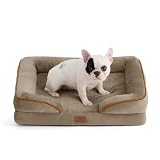
Price: $39.99
View on Amazon Affiliate link
Spotted Play Orthopedic Dog Bed with Sides – Dog Sofa Beds for Medium Dogs, Supportive Foam Pet Couch Bed with Washable Removable Cover, Waterproof Lining and Non-Slip Bottom, Grey – M

Price: $24.29
View on Amazon Affiliate link
Bedsure ComfyFleece Large Dog Bed for Crate with Washable Cover, 35×22 | Orthopedic Egg Crate Foam Pet Mat,Removable Cover, Nonslip Bottom,Not Waterproof,Not Chewproof,For Large Breeds up to 40lbs
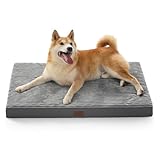
Price: $22.99
View on Amazon Affiliate link
Bedsure Memory Foam XL Dog Bed, Orthopedic Crate Pads, 41×29 | Dual-layer Foam Mat for Optimal Support,Comfy Plush Flannel Fleece Pet Pillow , Removable Washable Cover, Nonslip Bottom,Grey

Price: $66.99
View on Amazon Affiliate link
JOEJOY XL Orthopedic Dog Bed for Large Dogs, 360° Oval Bolster, 42" | Egg-Crate Memory Foam Pet Couch Bed with Bolster Sides, Waterproof Lining, Removable Washable Cover & Non-Slip Bottom, Grey

Price: $41.35
View on Amazon Affiliate link
Bedsure Calming Dog Bed Medium Large Size Dogs Washable Pet Bed,33ins Camel | Oprah Daily Award,Fluffy Faux Fur Round Donut Cuddler,Anti-Slip Bottom,Anti-Anxiety,Deep Sleepfor Pets Up to 65 Lbs

Price: $59.99
View on Amazon Affiliate link
Bedsure ComfyFleece® Dog Bed Medium Large Size Dog Washable,30in Warm Grey | Furry Puppy Beds,Rectangle Cute Orthopedic Corduroy Aesthetic Pet Beds,Removable Zipper Cover,Non-Slip Bottom,Up to 40 Lbs

Price: $53.99
View on Amazon Affiliate link
Lesure RealOrtho™ XL 3-Layer Orthopedic Dog Beds Large Sized Dog,42" Black | PET INNOVATION AWARD Memory Foam Dog Bed for Senior Joint Support with Waterproof Washable Cover, Deep Sleep Couch Sofa

Price: $89.99
View on Amazon Affiliate link
Bedsure ComfyFleece Dog Bed Mat, Shredded Chopped Foam Pet Bed (Cream, 30x20x3 inch)

Price: $35.09
View on Amazon Affiliate link


