As an Amazon Associate we earn from qualifying purchases. Details
A dog that keeps jumping on the bed at night needs a rule about the bed and a check that nothing has changed in its body. This guide is not a substitute for your vet or a certified trainer.
Quick answer: decide whether the bed is allowed. If it is not, give the dog its own bed in the spot you want, keep the same rule every night, and use a pet step or ramp for a dog that jumps down. If the jumping is new or sudden, book a vet visit before you change anything else.
The person typing “best dog keeps jumping on bed at night” wants a plan they can start tonight. They want to know whether the jumping is normal, what to do, and when it is a sign to call the vet.
Step 1: Decide if the bed is open to the dog
Most of the trouble comes from mixed rules. If the dog is allowed on the bed some nights and not others, it keeps trying. Pick one rule and keep it for at least three weeks (21 days) before you judge whether it works.
- Dog stays off: give it a bed or blanket in the spot you want, and make that spot comfortable.
- Dog is allowed on: accept that it will get on the bed, and plan for sleep, hair and hygiene. A washable cover helps.
Step 2: Check for a change before you train
A dog that has slept on the bed for years and suddenly starts jumping on and off at bedtime may be telling you something. Restlessness, stiffness, reluctance to jump, limping, or a change in how it climbs can all have a physical cause. Book a vet visit first if you see any of these, and especially if the dog is older. Do not treat a new habit as a simple behaviour problem until a vet has checked for pain.
Step 3: Set up the night
A dog that is tired and comfortable is less likely to pace. Before bed, use a routine you can repeat every night:
- A final walk or play session, then a toilet break.
- A bed or blanket in the spot you want the dog to use.
- A crate or closed room at night, if your home and the dog allow it. Make the crate a place the dog can rest in, not a punishment.
Keep the same order each night. Dogs learn routines faster than rules.
Step 4: Build the habit of staying off
General approaches that owners use are simple and repeatable. Reward the dog with a treat or a favorite toy when it stays off the bed, and use the same short word each time it gets down. Keep sessions short, about 10 to 15 minutes, and do not scold after the dog is already up. If the dog ignores you every night, or if it becomes anxious or aggressive when you move it, stop and ask a certified trainer for a plan. A trainer can see your dog, and this article cannot.
Step 5: Make getting down safer
Jumping down over and over can be hard on joints, especially for a small or older dog. vet-n-pet DIRECT help centre says repeated jumping off beds and couches can put a lot of extra stress and impact on the joints, and suggests pet stairs or ramps. A pet step or ramp gives the dog a lower route up and down.
Worked example: measure the height of the surface first. The Mewang listing says its steps fit a surface about 19.5 inch (49.5 cm) high. For a bed 26 inch high, that step is too short to be a full route, so look for a taller step or a ramp. For a sofa 18 inch high, it is a close fit. Check the weight rating before you buy.
Mistakes that make it worse
- Letting the dog on the bed some nights and not others.
- Scolding after the dog has already jumped. The dog cannot link the scolding to the jump.
- Using the crate as punishment. A dog that dislikes the crate may jump more to get out.
- Skipping the vet check when the jumping is new or the dog is older.
Products: what is and is not worth buying
We found no product that stops this habit. The one bed-related item in our research file is a do-it-yourself pillow cover, and it is not a training aid or a fix. A pet step is the one product type that addresses the joint-load point in Step 5, so one listing is shown below. For an older or large dog that needs a supportive bed on the floor, see our orthopedic dog beds for extra large dogs guide. For a bed that many dogs use as a night spot, see the dog scratching bed guide. For a memory foam option at floor height, see the PetFusion memory foam bed guide.
MEWANG Wooden Pet Stairs, 3 Step Foldable Ramp
Specs (from the listing, checked 2026-10-13): solid birch wood; 3-step full open 24.8 x 17.2 x 19.5 inch; step 15.6 x 9.3 x 5.9 inch; folds to 31 x 17.2 x 3.15 inch; dog size Extra Small, Medium, Small; ASIN B08RJ5M271.
Weight limit (listing): the bullets say a maximum load of 100 kg (220 lb); a spec field says 110 lb. The two do not match, so we quote both and do not pick one. Check the seller’s page before you buy.
Pros (listing claims): stair and ramp modes; anti-slip surface; folds for storage.
Cons: the listing says it is designed for small and medium dogs and cats; the weight limit conflicts; wood can vary with humidity, per the listing.
Best for: a small or medium dog that climbs onto a surface about 19.5 inch high. Skip if: your dog is larger than the listing’s size range or the bed is taller.
View on Amazon (affiliate link)
How we checked
We opened one competitor article on stopping a dog from jumping off a bed (notabully.org). It covers jumping off the bed rather than jumping on at night, so we used it only as a check on ramps, routines and bed rails. We also opened a pet-supply help centre article on joint stress. Both are secondary sources, and we have not checked them against a trainer or a vet. We make no medical claim in this guide.
FAQ
Is it normal for a dog to jump on the bed at night?
It is common, especially if the dog has been allowed on the bed. A sudden change, or a change in how the dog climbs or gets down, is worth a vet check.
Should I let my dog sleep on the bed?
That is your choice. Pick one rule and keep it. Mixed rules make the habit harder to change.
Is a pet step better than a ramp?
Either can work. A step is usually easier to store, and a ramp can suit a dog that is uncomfortable on steps. Choose by the dog’s size and comfort, and check the weight rating on any product you buy.
What if my dog cries when I put it in a crate at night?
Stop the crate plan and ask a certified trainer or your vet. Crying can be a sign of stress, and a closed room or bed in another spot may be a better option.
When should I call the vet?
Call if the jumping is new or sudden, if the dog limps, stiffens, or struggles to climb or get down, or if the dog is older and the change is recent.
Conclusion
Start with the rule. Decide whether the bed is open, give the dog a comfortable spot, and keep the routine the same every night. If the jumping is new, or the dog is older, see your vet first. If the habit does not change after a few weeks of one rule, ask a certified trainer for a plan. Decision rule: if the bed is closed to the dog, keep it closed every night; if the change is sudden, check with a vet before anything else.
Related products
Listings checked against the Amazon Creators API. Prices and availability change; confirm on the Amazon page before you buy.
My Pet Command Portable Electric Indoor Pet Barrier Dog Fence, 1 Collar Kit | Adjustable 1-8Ft Circ Range, Static, Tone Correction, Hidden Fence, Off Limits Collar Wireless Pet Gate, Rechargeable Collars

View on Amazon Affiliate link
Kigley 1 Pcs Pet Deterrent Mat to Keep Dogs Off Couch, 66.1" × 59", Khaki | Non Electric Cat and Dog Deterrent Mat, Pain Free Couch Covers to Keep Pets off Furniture Bed Indoor

View on Amazon Affiliate link
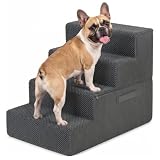
Tevila Foldable Dog Stairs for Small Dogs,Pet Steps for Bed & Couch,4-Step | High-Density Foam Dog Steps,Ramp For Dogs To Get On Bed with Non-Slip Bottom,Grey
View on Amazon Affiliate link
Aodisman Dog Steps for Bed or Couch,4 Step Pet Stairs for Small Dogs & Cat | Curved dog ramp help small dogs, senior cats and puppies get on and off couches and beds, non-slip bottom, 17.4" H,Beige

View on Amazon Affiliate link
LanLfSty 10 Pack Scat Mat for Dogs, Keep Dog Off Couch & Furniture, Dense Spike Dog Deterrent Mats

View on Amazon Affiliate link
Dog Ramp for Bed – Foldable Small to Large Dog Ramp for Couch – 6 Adjustable Height from 12" to 24" – Stairs with High Traction Mat – Wooden Portable Ramp for Dogs to Get on Bed Couch Car Up to 200LBS

View on Amazon Affiliate link

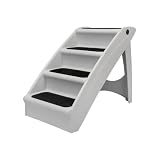
PetSafe CozyUp Folding Dog Stairs, 20 in Tall, Gray | Portable & Foldable 4-Step Stairs, Non-Skid Feet, Side Rails, Dog Steps for Bed, for Dogs up to 200 Lb
View on Amazon Affiliate link
JOLLYVOGUE Small Dog Bed, Calming Soft Anti-Anxiety Donut Cat Bed, Washable Round Fluffy Cushion for Small and Medium Pets (20")

View on Amazon Affiliate link
ZOMISIA Dog Ramp for High Beds with Tunnel, 29" H 6 Steps for Large Dog | Tunnel 2 in 1 with Zippers,Suitable for Short-Legged Dogs Get on Bed,Non-Slip Durable Dog Steps with High-Density Foam

View on Amazon Affiliate link
EHEYCIGA 3-Step Curved Dog Stairs for Small Dogs& Cats 14" H, Grey | Dog Ramp for Bed, Pet Stairs with Raised Side Rails, Steady High-Density Foam, Anti-Slip, Removable Washable Cover, Safety

View on Amazon Affiliate link
Kigley 2 Pcs Pet Deterrent Mat to Keep Dogs Off Couch, 72" × 56.3", Coffee | Non Electric Cat and Dog Deterrent Mat, Pain Free Couch Covers to Keep Pets off Furniture Bed Indoor

View on Amazon Affiliate link
Dog Steps for Bed, 4-Step Dog Stairs for Small Dogs and Cats, 17.7" H | KYAKO Non-Slip Dog Ramp, Pet Stairs for Dogs to get on Bed with Washable Cover & 35D Foam, Easy Climbing for Senior & Puppies

View on Amazon Affiliate link
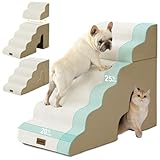
ZOMISIA Dog Ramp for High Beds with Tunnel, 29" H 6 Steps for Large Dog | Tunnel 2 in 1 with Zippers,Suitable for Short-Legged Dogs Get on Bed,Non-Slip Durable Dog Steps with High-Density Foam
View on Amazon Affiliate link
Aodisman Dog Steps for Bed or Couch,4 Step Pet Stairs for Small Dogs & Cat | Curved dog ramp help small dogs, senior cats and puppies get on and off couches and beds, non-slip bottom, 17.4" H,Gery

View on Amazon Affiliate link
COZY KISS Dog Stairs for Small Dogs, 4 Step Pet Stairs for Beds & Couches | 17.7" Wider H Non-Slip Dog Steps for Bed, Ideal for Puppies, Senior Cats, and Small to Medium Dogs, 17.7×23.6×17.7 in, Beige

View on Amazon Affiliate link
COZY KISS Dog Stairs for Small Dogs, 4 Step Pet Stairs for Beds & Couches | 17.7" H Non-Slip Dog Steps for Bed, Wider for Puppies, Senior Cats, and Small to Medium Dogs, 17.7×23.6×17.7 in, Grey

View on Amazon Affiliate link
BYTEBAY 12 Pack Cat Repellent Outdoor/Indoor Scat Mat for Cats&Dogs, Keep Away Pest Plastic Mats with Spikes,16 x 13 Inches

View on Amazon Affiliate link


