Best Harness for Little Dogs: Two Small-Size Picks and Why the Rest Fail
As an Amazon Associate we earn from qualifying purchases. Details
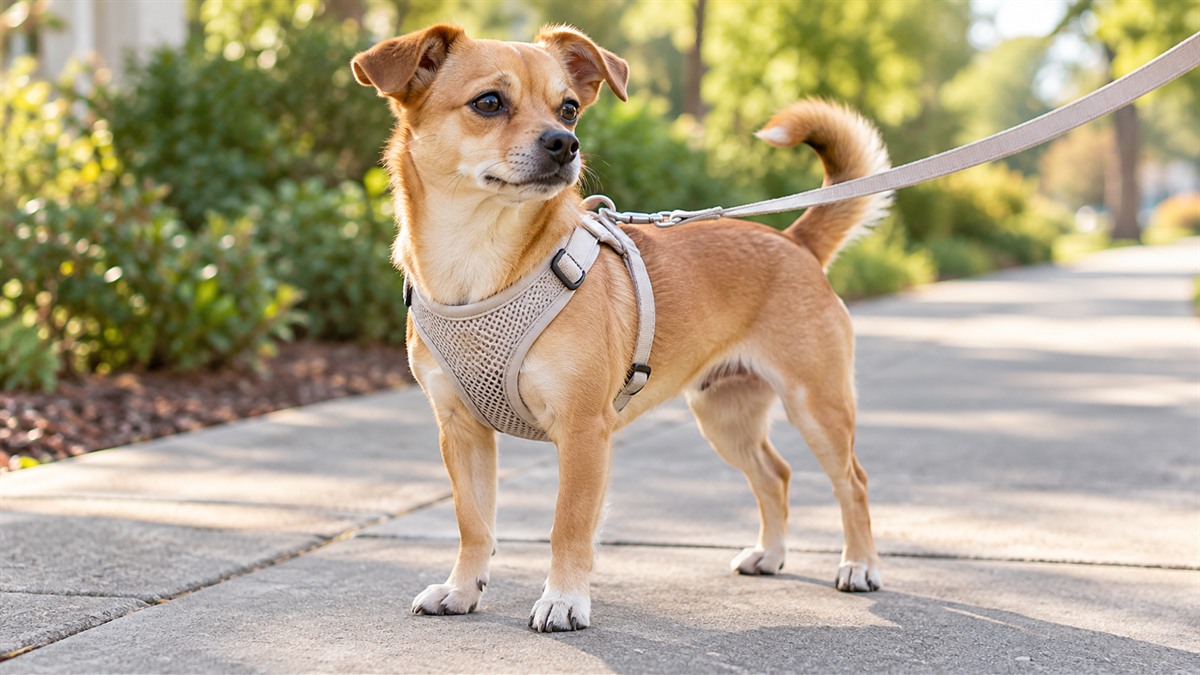
The best harness for little dogs fits a small chest, keeps a light body comfortable and does not pull on the neck. This article covers the small-size listings in this set, which state a size, a chest or weight range, or both. You will see two harnesses, the reasons most of the other listings are left out, and a clear way to check fit before you order. Chest girth is the number that matters most, but the leash, the harness style and the training method also change the choice. Read the quick answer first, then what matters for fit, then the harnesses and the rules for choosing.
Quick answer
Start with chest girth. The Voyager is the only small step-in vest here that states a chest range, 14.5 to 16 inches, and a weight range, 10 to 14 pounds. If your dog’s chest sits inside that range, it is the stronger fit. The ShawnCo is labelled small, but its weight range and breed field point to larger dogs, so ask the maker before you order. AKC says a harness can prevent potential throat damage when a dog pulls, and it advises a harness that cannot slip out for a puppy, and no retractable leash.
What matters for the best harness for little dogs
Chest girth first, then the other two measurements
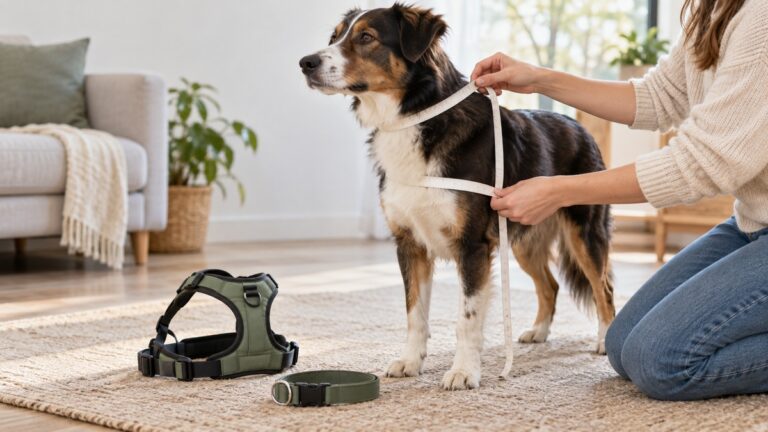
Most dog clothing and gear rely on three core measurements: back length, chest girth and neck girth. Chest girth is the measurement around the largest part of the rib cage, usually just behind the front legs, and it is typically the most important measurement for harnesses. Measure your dog while it stands, keep the tape snug but not tight, and use the two-finger rule: slip two fingers between the tape and the dog. A string or ribbon can replace a tape. Then compare that number with the chart on the listing, not with the size word in the title.
Harness or collar: what AKC’s pages say
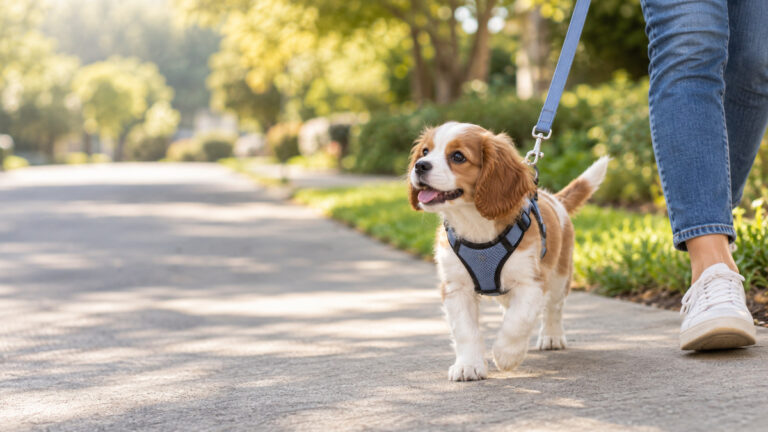
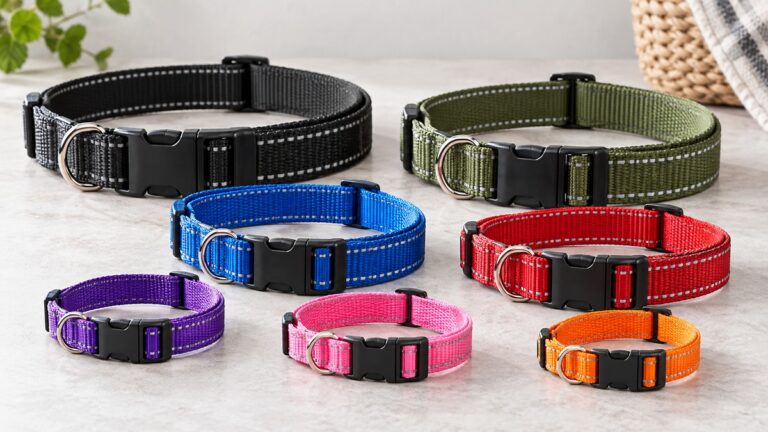
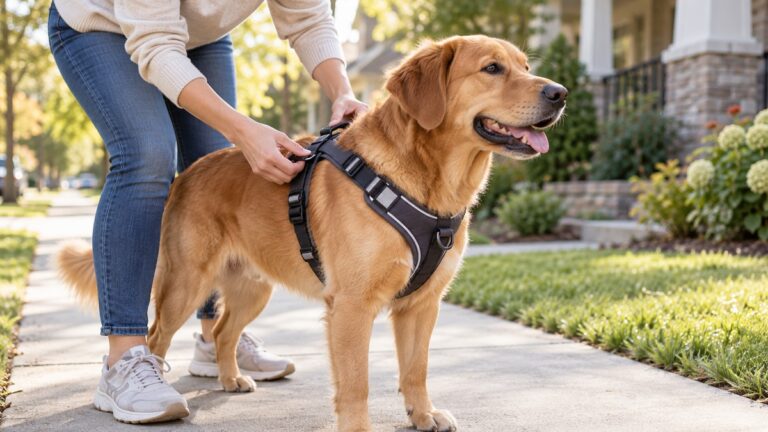
AKC’s pages give two points that are easy to mix up. For a puppy that is just learning to walk on a leash, AKC says it is best to stick with a standard dog collar, and many trainers begin with a 4-foot leash and a flat collar. Another AKC page says a harness is generally a better option for puppies, so there is no pressure on the neck if they pull, as long as it fits so the puppy cannot slip out. For a dog that pulls, AKC says a harness can prevent potential throat damage. A harness that is too big lets the dog wiggle out, and one that is too tight can be painful, especially in hot weather. If you use a collar, AKC says to slip one finger under it for a small dog, and two fingers for a large-breed dog. Ask your vet or a certified trainer which setup suits your dog.
Leash choice and training habits
AKC advises avoiding retractable leashes and choosing a lightweight 6-foot leash for loose-leash training. It also says to begin leash training as soon as you bring a puppy home, because a puppy does not know what a leash is. Walking on a leash is a trained skill. Use a marker word or a clicker, followed right away by a treat, and reward eye contact and attention while the leash is attached. Short sessions work better than long ones, and a short first walk is a good start.
1. Voyager Step-in Air Dog Vest Harness – Moss Green, Small (Small step-in vest with a stated chest range)
Specs from the listing (checked 2026-10-11):
- Size: S (Chest: 14.5 – 16″)
- Weight Range: 10 lbs – 14 lbs
- Breed Recommendation: Small Breeds, Medium Breeds
- Item Weight: 2.08 ounces
- Warranty Description: 31 day manufacturer
Pros
- States a chest range of 14.5 to 16 inches and a weight range of 10 to 14 pounds
- Air mesh body with two reflective bands and double D-rings
Cons
- The listing says the vest is not for large dogs
- The warranty is a 31 day manufacturer warranty
Best for: Little dogs with a chest between 14.5 and 16 inches and a weight in the listed range
Skip if: Your dog's chest is outside 14.5 to 16 inches or you need a size the listing does not offer
View on Amazon (affiliate link)
2. ShawnCo Essential Dog Harness, No-Pull Pet Vest (Oceanic Blue,S) (Three-ring vest with conflicting size fields)
Specs from the listing (checked 2026-10-11):
- Size: S
- Dog Breed Size: Small
- Weight Range: 50 lbs and above
- Breed Recommendation: Large Breeds
- Item Highlight: 3 Leash Clips, Easy On, No-Choke, Reflective, Adjustable Fit, Padded Comfort, Control Handle, For Small, Medium & Large Dogs
Pros
- Three leash attachment points, per the listing
- Reflective chest strap and reflective trim lining
Cons
- A weight range of 50 lbs and above conflicts with the small label
- The breed recommendation says Large Breeds, which conflicts with Small
Best for: Owners who want three leash attachment points and can confirm the size with the maker
Skip if: You need a confirmed size, weight or chest range before buying
View on Amazon (affiliate link)
Step-in fit and how the vest closes
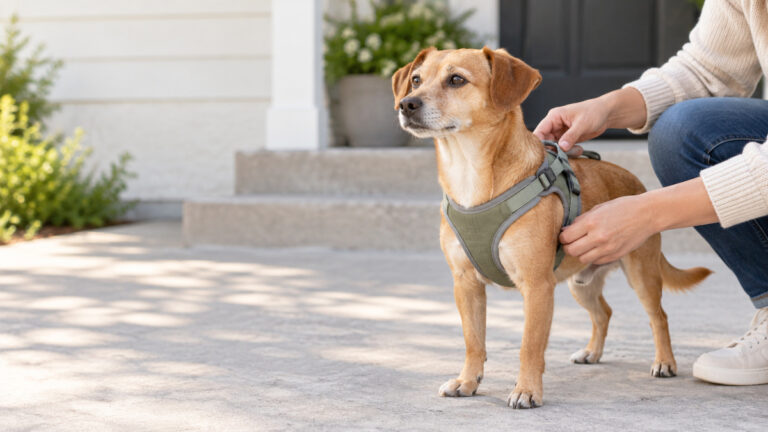
Both harnesses use a closure that does not pull a harness over the head. The Voyager describes a step-in design: the dog steps into the vest, and you clip it on. The ShawnCo says it can be put on and taken off in under 3 seconds and describes a no-choke design. Step-in designs often suit a dog that dislikes having its head pushed through a loop. Check the listing photos to see how the vest closes, whether that is a buckle, a hook-and-loop fastener, or both. For a broader comparison of small-dog styles, the best step-in dog harness for small dogs guide covers the choices in more depth.
Visibility at night
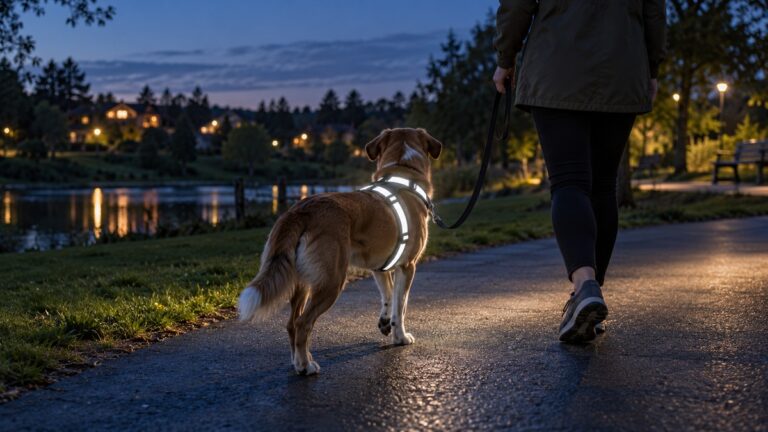
Two listings mention reflective trim. The Voyager has two reflective bands, and the ShawnCo has a reflective chest strap and reflective trim lining. Retroreflectors send light back toward its source, so the trim shows best when a light shines on it, such as a headlamp or a car’s headlights. Reflective trim does not light your dog up on its own.
When the size labels disagree
Some listings give a size label, a weight range and a breed field that do not match. When that happens, rely on the chest figure if the listing states one, and on neither conflicting weight or breed field. A single conflicting field is a reason to measure again and ask the maker, not a reason to guess.
The picks, one by one
The Voyager: the small step-in vest with a stated chest range
The listing states a small size with a chest range of 14.5 to 16 inches and a weight range of 10 to 14 pounds. Its breed field names small and medium breeds. The vest is air mesh, with two reflective bands, a buckle, a hook-and-loop fastener and double D-rings for the leash. The item weighs 2.08 ounces, and the listing gives a 31 day manufacturer warranty. The listing says sizing does not directly follow breed or weight, and that the vest is not for large dogs. It is also described as cat compatible. Skip it if your dog’s chest falls outside 14.5 to 16 inches, or if you need a size the listing does not offer.
The ShawnCo: the three-ring vest with conflicting size fields
The listing says size S, dog breed size Small, and a title that says for small, medium and large dogs. Its weight range says 50 lbs and above, and its breed recommendation says Large Breeds. Those fields disagree with the small label, so rely on neither the weight field nor the breed field. The listing gives no chest range at all. The vest has three leash attachment points, a soft and breathable mesh underside, a reflective chest strap and reflective trim lining. The listing says it goes on and off in under 3 seconds. It weighs 5.28 ounces. Skip it unless the maker confirms a size that matches your dog’s chest.
What this roundup leaves out
Nine of the other listings are sized for medium or large dogs, and one is a jacket with a built-in harness. One of those nine gives a large size but a small-breed recommendation, which is another label conflict. None of the other listings gives a small chest range, so these two harnesses are the only small-size ones in this set. The smallest chest range stated here starts at 14.5 inches, so they do not cover the smallest toy breeds. For a no-pull option at a larger size, see the best small dog no pull harness guide. Check the listing for a toy size before you buy for a very small dog.
How to choose
Choose by chest girth first. If your dog’s chest falls inside the Voyager’s 14.5 to 16 inch range, shortlist that vest and confirm the weight range. If the chest falls outside that range, skip it and look for a listing that states a range that fits.
Choose a harness over a collar when your dog pulls, because AKC says a harness can prevent potential throat damage. For a puppy, choose a harness that fits so the puppy cannot slip out, and ask your vet or a certified trainer whether a flat collar should come first while the puppy learns to walk on a leash. Choose a lightweight 6-foot leash, and avoid a retractable leash, as AKC advises.
Choose a step-in style if your dog dislikes having its head pushed through a loop, and choose a padded option if the listing states one. The padded dog harness for small dogs guide compares padding in more detail. If your dog tends to back out of a harness, check the fit before anything else, and read the harness for small dogs that escape guide for fit checks that matter most for escape-prone dogs.
Fitting a 15 inch chest
Take a dog whose chest measures 15 inches. The Voyager states a range of 14.5 to 16 inches. Step one: 15 minus 14.5 = 0.5 inch above the bottom of the range. Step two: 16 minus 15 = 1 inch below the top of the range. The chest sits inside the range, so the Voyager is worth shortlisting. Before you order, check the chart on the listing and confirm that your dog’s weight falls inside the stated 10 to 14 pound range.
Common mistakes
- Buying by the size word in the title. The ShawnCo shows a small label next to a weight range and breed field that point to larger dogs.
- Measuring once and not checking after the first walk. Measure again if your dog gains weight or grows.
- Using a retractable leash because it feels convenient. AKC advises avoiding retractable leashes for loose-leash training.
- Assuming reflective trim lights the dog. Reflective material returns light toward its source, so it needs a light to show.
- Pulling a harness over the head when the listing describes a step-in design. Use the closure the listing describes.
FAQ
What is a harness for little dogs?
It is a vest or strap system sized for a small chest. Measure chest girth first, then check the listing’s chest range. A harness labelled small is not the same as a harness that fits a small chest, so check the number.
Should a little dog wear a harness or a collar?
AKC’s pages give both views. A collar is best at first for a puppy learning to walk on a leash, but a harness is generally better if it fits so the puppy cannot slip out.
How do I know if a harness is too big or too tight?
AKC says a harness that is too big lets a dog wiggle out, and one that is too tight can be painful, especially in hot weather. Check that the dog cannot slip out and that the harness is not tight against the chest or the neck.
Which leash should a little dog use?
AKC advises a lightweight 6-foot leash. Pair it with a reward method, such as a marker word or a clicker followed by a treat.
Are reflective harnesses useful at night?
Reflective material returns light toward its source, so it shows best when a light, such as a headlamp or a car’s headlights, shines on it. Two listings here mention reflective trim.
Why are some size labels confusing?
Some listings state a size, a weight range and a breed field that do not agree. In those cases, go by the chest figure if the listing gives one, and by neither conflicting field otherwise.
Does this roundup cover the smallest toy breeds?
No. The smallest chest range stated here starts at 14.5 inches, so these harnesses do not cover the smallest toy breeds.
Bottom line
For a little dog, measure the chest first. If it falls inside the Voyager’s 14.5 to 16 inch range and the weight fits 10 to 14 pounds, that is the stronger choice. If your dog pulls, choose a harness over a collar and use a lightweight 6-foot leash. Skip the ShawnCo until the maker confirms a size, and check the listing for a toy size before you buy for the smallest dogs.
Sources
- AKC: how to measure your dog for gear: three core measurements, chest girth and the two-finger check
- AKC: dog harness vs collar: harness and throat damage, fit warnings and the collar finger check
- AKC: teach your puppy to walk on a leash: avoid retractable leashes, use a 6-foot leash and reward with a marker and a treat
- Wikipedia: Retroreflector: retroreflection sends light back toward its source