Large dogs bending all the way to the floor to eat isn’t just messy — over time it can add strain to the neck and joints, especially in bigger or older dogs. An elevated bowl raises food and water to a more natural eating height.
How we chose these picks
We compare each pick on the details that matter for this topic: the size, material and weight limits stated on the listing, verified buyer ratings on Amazon, and fit notes from reviewers. We do not claim lab testing of every item. Check the product page for current specs, price and availability before you buy.
At a glance: what stands out
| Feature | What it does |
|---|---|
| Raised, ergonomic design | Puts food and water at a more natural height for medium and large breeds |
| Stainless steel bowls | Easier to keep clean than plastic; more resistant to scratching or bacteria buildup |
| Stand construction | Built to handle enthusiastic eaters without tipping or sliding |
Check the maker’s size chart and stand height on the current listing before you buy — exact dimensions and weight limit are not stated in this guide’s content.
What to check before you buy
Compare the maker size chart, the stated material and any listed weight limit with your dog before you buy. Skip any item whose size or limits are unclear.
Why Elevation Matters for Big Dogs
Floor-level bowls force larger dogs into an awkward downward angle every meal. Raising the bowl to chest height reduces that strain and can also help with digestion for breeds prone to bloat concerns (always check with your vet for specific health guidance).
What Stands Out
1. Raised, ergonomic design. Puts food and water at a more natural height for medium and large breeds.
2. Stainless steel bowls. Easier to keep clean than plastic, and more resistant to scratching or bacteria buildup.
3. Sturdy stand construction. Built to handle enthusiastic eaters without tipping or sliding.
Who This Is Best For
- Large and giant breed owners
- Senior dogs with neck or joint stiffness
- Anyone tired of water splashed across the kitchen floor
The bloat connection with elevated bowls remains genuinely contested among veterinary researchers
Despite common assumptions, published veterinary research on whether elevated feeding reduces or actually increases bloat risk in deep-chested breeds has produced mixed and sometimes contradictory findings over the years, so framing an elevated bowl purely as a bloat-prevention measure oversimplifies an area where expert opinion genuinely differs, making a conversation with a veterinarian familiar with the specific breed’s risk factors more valuable than assuming elevation alone settles the question either way.
A couple more frequently asked questions
Does a stainless steel bowl need a protective coating to prevent scratching?
Quality stainless steel is naturally scratch-resistant without needing an additional coating, and in fact an uncoated surface is often easier to keep hygienic than one with a coating that could wear away unevenly over time.
Can an elevated stand be adjusted in height as a growing puppy gets taller?
Checking specifically whether a stand offers adjustable height settings versus a fixed single height matters for a still-growing puppy, since a fixed-height stand bought too early may need replacement again as the dog matures into its adult size.
Bottom Line
A small, inexpensive change to how your dog eats can genuinely ease daily strain, especially for bigger breeds. Worth considering if mealtime currently means your dog hunched all the way to the floor.
👉 Check the current price here
This post contains affiliate links. If you purchase through these links, I may earn a small commission at no extra cost to you. Thank you for your support!
Related products
Listings checked against the Amazon Creators API. Prices and availability change; confirm on the Amazon page before you buy.
URPOWER Mess Proof Elevated Dog Bowls, Splash Guard Raised Bowl Stand | 4 Adjustable Heights, 2 Stainless Steel Bowls, Food & Water Separation, Foldable Design Non-Slip for Small Medium Large Dogs

View on Amazon Affiliate link
URPOWER Mess Proof Elevated Dog Bowls 4 Height Adjustable Raised Stand | No Spill Water Bowl, Slow Feeder Dog Bowls, Non-Slip Food and Water Bowl Set for Small, Medium & Large Dogs

View on Amazon Affiliate link
XIAZ Elevated Dog Bowls Large Breed Raised Dogs Bowl Stand Large/Medium Sized Dog Stainless Steel Food Water Bowl Stands 5 Heights Adjustable 9/11/12/14in Black Pet Feeder Dish Station

View on Amazon Affiliate link
URPOWER Mess Proof Elevated Dog Bowls 4 Height Adjustable Raised Stand | No Spill Water Bowl, Slow Feeder Dog Bowls, Non-Slip Food and Water Bowl Set for Small, Medium & Large Dogs

View on Amazon Affiliate link
ZOMISIA Elevated Dog Bowls, 6 Height Adjustable Raised Dog Bowl Mess Proof | 3-in-1 Dog Bowl Stand, Double Deck Design, 2 Stainless Steel Bowls, Licking Plate, Feeding Station for Small Medium Large Pet

View on Amazon Affiliate link
URPOWER Elevated Dog Bowls, 3-in-1 Double Deck Raised Dog Bowl Stand | 4 Adjustable Heights, 2 Stainless Steel Food Bowls, Mess Proof Licking Plate, Foldable Stand for Small, Medium & Large Dogs

View on Amazon Affiliate link
URPOWER Mess Proof Elevated Dog Bowls, Splash Guard Raised Bowl Stand | 4 Adjustable Heights, 2 Stainless Steel Bowls, Food & Water Separation, Foldable Design Non-Slip for Small Medium Large Dogs

View on Amazon Affiliate link
XIAZ Elevated Dog Bowls Large Breed Raised Dogs Bowl Stand Large/Medium Sized Dog Slow Feeder Dogs Bowls Food Water Stands 5 Heights Adjustable 9/11/12/14in Pet Feeder Dish Station

View on Amazon Affiliate link
Neater Pet Brands Neater Feeder Deluxe Mess Proof Dog Bowls Elevated for Large Dogs Over 40 lbs, Made in USA, No Spill Raised Dog Food Bowl Stand Feeding Station, Food and Water Bowl Set, Black

View on Amazon Affiliate link
Elevated Dog Bowls Stand Large Breed, Height Adjustable Raised Dog Bowls Holder with 2 Stainless Steel Food Bowls for Small, Medium and Large Canine,Black

View on Amazon Affiliate link
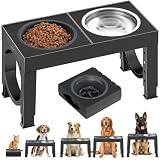
XIAZ Elevated Dog Bowls Large Breed Raised Dogs Bowl Stand Large/Medium Sized Dog Slow Feeder Dogs Bowls Food Water Stands 5 Heights Adjustable 9/11/12/14in Pet Feeder Dish Station
View on Amazon Affiliate link
URPOWER Mess Proof Elevated Dog Bowls, Slow Feeder with Splash Guard | 4 Heights, Stainless Steel Bowl, Food & Water Separation, Non-Slip Adjustable Raised Bowl Stand for Small Medium Large Dogs

View on Amazon Affiliate link
Joyopaw Elevated Dog Bowls, Bamboo Raised Dog Bowl Stand (10" Tall) | Two 48oz stainless-steel bowls, For medium to large dogs, 100% Natural Bamboo, Easy care, Boost pet health, Non‑Slip

View on Amazon Affiliate link
CZPET Elevated Dog Bowls, Splash Guard 4-Height Adjustable, Stainless Bowls | Mess Proof, Raised Stand with Two 2L Stainless Steel Bowls, Lifted Food Water Feeder for Small, Medium & Large Dogs

View on Amazon Affiliate link
URPOWER Mess Proof Elevated Dog Bowls 4 Height Adjustable Raised Stand | No Spill Water Bowl, Slow Feeder Dog Bowls, Non-Slip Food and Water Bowl Set for Small, Medium & Large Dogs

View on Amazon Affiliate link
URPOWER Mess Proof Elevated Dog Bowls Raised Dog Bowl Stand Slow Feeder | 4 Height Adjustable Raised Dog Bowl Stand, Mess Proof 2 Stainless Steel Bowl for Small, Medium & Large Dogs
View on Amazon Affiliate link
Fluff Trough Elevated Dog Bowl for Food Minimize Neck Strain | 5inch Tall Cat & Dog Feeding Stand | Vet Approved Non-Toxic Silicone Feeder Bowl | Raised Bowl for Medium & Small Dog/Pet with Flat Face

View on Amazon Affiliate link
URPOWER Elevated Dog Bowls, 3-in-1 Double Deck Raised Dog Bowl Stand | 4 Height Adjustable Raised Stand with 2 Stainless Steel Food Bowls & Licking Plate for Small, Medium & Large Dogs

View on Amazon Affiliate link