Best Way to Protect Furniture From Dogs
As an Amazon Associate we earn from qualifying purchases. Details
The best way to protect furniture from dogs is to combine three things: remove access to the items you want to keep, give the dog something appropriate to chew, and supervise or confine the dog when you cannot watch it. The ASPCA’s guidance on destructive chewing covers these same steps. This guide walks through the steps in order: finding the cause, removing temptations, providing appropriate chews, supervising, confining, redirecting, and keeping the dog active. It does not recommend any product.
Quick answer
- Remove access. The ASPCA says to prevent access to items you do not want the dog to chew.
- Give appropriate chew options. The ASPCA says a dog should have a variety of appealing chew toys, and rotating them every couple of days helps keep the dog interested.
- Supervise the dog during waking hours until you are confident the chewing is under control.
- When you cannot supervise, confine the dog to an area with approved toys and nothing you want to keep. The ASPCA’s guide gives an example of confinement for up to six hours.
- Redirect. If the dog chews something it should not, interrupt, give an approved item, and put the forbidden item out of reach.
- Think about stress and boredom. The ASPCA says dogs chew for fun, for stimulation and to relieve anxiety, so a bored or anxious dog may need more outlets, not only more toys.
How we chose this method
We limited this guide to the ASPCA. We opened three ASPCA pages on 2026-10-23: its guide to destructive chewing, its position statement on dog chews and treats, and its chewing and destructive behavior article. We quoted only sentences that appear in the text of those pages. We did not test any toy, spray, crate, baby gate or cover, and we do not recommend any product. The steps follow the order the ASPCA describes: understand the cause, manage the environment, redirect, and confine when needed. Where the ASPCA pages are silent, the section “What we could not verify” says so.
Step 1: Understand why the dog is chewing
The ASPCA’s position statement says that adult dogs appear to find chewing a pleasurable way to pass the time when they are bored or restless. Its destructive chewing guide adds that chewing also combats boredom and can relieve mild anxiety or frustration. The same guide says stress can trigger chewing, and that a dog that chews to relieve separation anxiety usually only chews when left alone, and chews most intensely at those times.
This matters for the plan. A bored dog that chews the sofa when you are at work needs more appropriate outlets and a better daytime routine. A dog that chews only when it is alone may have separation anxiety, and the ASPCA’s guide lists other signs to look for, including whining, barking, pacing, restlessness, urination and defecation. The sources we opened do not give a treatment plan for separation anxiety. If you see those signs, ask your veterinarian or a qualified behavior professional, and the ASPCA’s own guide points to finding a certified behavior professional for specific problems.
Puppies are a separate case. The ASPCA says virtually all puppies chew objects as they explore and while they are teething. Expect more chewing in a young dog, and plan the environment around that.
Step 2: Remove access to what you want to keep
The ASPCA’s guide says to “dog-proof” the house. In practice this means taking away the items the dog is most likely to chew. The ASPCA’s node article says to prevent access to items you do not want the dog to chew, and to make sure any confiscated item is put away, out of paws’ reach, so the dog does not return to it.
A practical checklist for a room with furniture you want to protect:
- Put away the items you do not want chewed, and keep them out of the dog’s reach until the chewing is under control.
- Use a baby gate or a closed door to keep the dog out of the room when you cannot watch it. The ASPCA’s node article mentions baby gates for this purpose.
- Keep the dog’s own toys and chews in one place that is easy to reach, so the dog has an approved option close by.
Step 3: Give appropriate chews
The ASPCA says dogs need a variety of appealing chew toys, both puppies and adult dogs. It recommends introducing something new or rotating the dog’s chew toys every couple of days, so the dog does not get bored with the same toys. The ASPCA’s chewing article gives examples of appropriate items, including hard rubber toys and edible chews such as marrow bones, knuckle bones and bully sticks.
Rotation is the simplest tool. Keep a small set of chews out of sight, bring out one or two at a time, and swap them every few days. The ASPCA’s position statement adds that many guardians avoid destructive chewing of home furnishings by providing appropriate chew toys when they must leave their dogs alone.
Match the chew to the dog. The ASPCA’s position statement says larger, durable products are appropriate for large breeds and for aggressive or frenzied chewers, and that small, bite-sized treats are appropriate as a reward for any dog.
Step 4: Supervise during waking hours
The ASPCA’s guide says to do your best to supervise the dog during all waking hours until you feel confident the chewing is under control. Supervision is what lets you interrupt the chewing before the furniture takes damage.
When you see the dog chew something it should not, the ASPCA suggests a specific sequence. Interrupt the behavior, and remove the item from the dog’s mouth, then give it something it can chew. The ASPCA’s guide says to say “Uh-oh” and then offer the dog an approved item. Do not wait until the dog has damaged the sofa to respond.
If you suspect the dog might react aggressively when you take an item from its mouth, the ASPCA suggests seeking help from a certified applied animal behaviorist, a board-certified veterinary behaviorist or a certified professional dog trainer with training in aggression.
Step 5: Confine when you cannot supervise
When you cannot watch the dog, the ASPCA says you must find a way to prevent it from chewing inappropriate things in your absence. Its guide gives an example: if you work during the day, you can leave your dog at home in a confinement area for up to six hours.
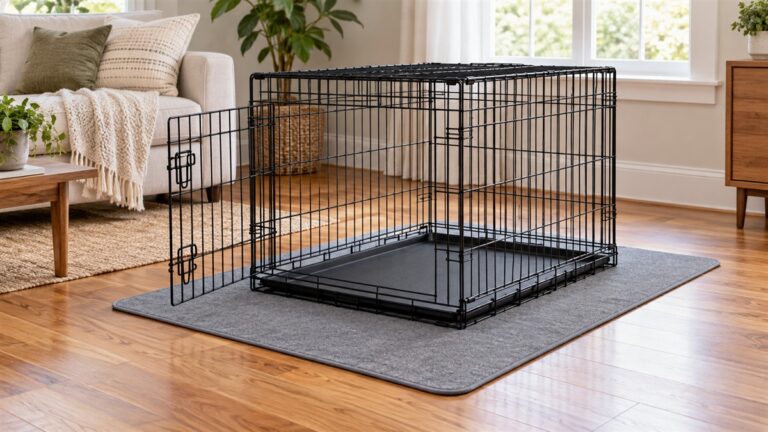
Confinement only works if the space is set up correctly. The ASPCA’s guide says to remove all the things the dog should not chew from the confinement area, and to give the dog a variety of appropriate toys and chews to enjoy instead. The ASPCA’s node article mentions crates and baby gates as ways to make sure a dog can only chew appropriate items when you cannot supervise it directly.
The ASPCA’s guide also says that if you confine the dog, it needs plenty of exercise and quality time with you when it is not confined. The sources we opened do not give a maximum confinement time for every dog. The six-hour figure in the ASPCA’s guide is an example from that guide, not a rule for every household.
Step 6: Keep the dog active and engaged
The ASPCA’s node article says one reason dogs turn to destructive chewing is that they have excess energy to burn. The sources do not give a specific number of walks or minutes of play, so set a routine that suits the dog’s age, size and health, and ask your veterinarian for guidance on exercise limits.
Training fits into the same routine. The ASPCA’s guide describes interrupting the chewing and redirecting to an approved item as the core method.
Step 7: Plan for stress and separation
Stress can trigger chewing. The ASPCA’s guide notes that a dog may chew when experiencing something that causes stress, and it gives examples such as being crated near another animal it does not get along with. For dogs that chew only when left alone, the ASPCA’s guide says those dogs often chew most intensely at those times. Set up the confinement area with chews, remove the items you want to keep, and talk to your veterinarian if the behavior does not improve. The sources we opened do not give a timeline for resolving separation anxiety.
Common mistakes
- Leaving valuable items within reach and hoping the dog will ignore them. The ASPCA says to prevent access to items you do not want chewed.
- Giving only one chew toy. The ASPCA recommends a variety of appealing chews and rotating them.
- Not supervising during waking hours while the chewing is still a problem. The ASPCA says to supervise until you feel confident the chewing is under control.
- Confining the dog with items it should not chew. The ASPCA says to remove those items from the confinement area.
- Leaving the dog alone for long stretches without exercise or attention. The ASPCA says confinement needs exercise and quality time.
- Ignoring signs of separation anxiety. The ASPCA lists whining, barking, pacing, restlessness, urination and defecation as signs to look for.
- Taking the item away without offering anything else. The ASPCA’s guide says to insert something the dog can chew.
What we could not verify
- The ASPCA pages we opened do not list specific furniture protection products, sprays or covers, and this guide does not evaluate them.
- The sources do not say whether bitter sprays or deterrent products work, or how well.
- The sources do not give a number of days for a dog to learn the rules, or a number of toys to rotate beyond “every couple of days.”
- The sources do not give a timeline for resolving separation anxiety.
- The sources do not address dental or pain causes of chewing. We make no claim about those in this guide.
- The sources do not give a maximum confinement time for every dog. The six-hour figure is an example from the ASPCA guide.
- We did not test any product and do not recommend any product.
FAQ
Why does my dog chew furniture?
The ASPCA says adult dogs appear to find chewing a pleasurable way to pass the time when they are bored or restless. Chewing can also relieve mild anxiety or frustration, and stress can trigger it.
Is chewing furniture a sign of separation anxiety?
It can be. The ASPCA says dogs that chew to relieve separation anxiety usually only chew when left alone, and they may also whine, bark, pace or urinate. If you see those signs, talk to your veterinarian or a qualified behavior professional.
How long can I leave a dog in a confinement area?
The ASPCA’s guide gives an example of up to six hours for a dog left at home while the owner works. The sources do not set a maximum for every dog, so consider the dog’s needs and your schedule.
What should I do when my dog chews something it should not?
The ASPCA suggests interrupting the chewing, taking the item from the dog’s mouth, and offering something it can chew. Then put the forbidden item away, out of reach.
Do puppies chew more than adult dogs?
The ASPCA says virtually all puppies chew objects as they explore and while teething. Expect more chewing in a young dog and plan the environment for that.
Do I need a product to protect my furniture?
The ASPCA pages we opened focus on managing the environment, giving appropriate chews, supervising and confining. They do not list products, so this guide does not recommend any.
Bottom line
Protect furniture by removing access, giving appropriate chews and rotating them, supervising during waking hours, and confining the dog with approved items when you cannot watch it. Redirect calmly, and keep the dog exercised and engaged. If the chewing is tied to stress or separation, talk to your veterinarian. For related reading, see the guide to beds for dogs that scratch at night, the guide to chew options for teething puppies and the guide to dogs that chew blankets at night.
Sources
- https://www.aspca.org/pet-care/dog-care/common-dog-behavior-issues/destructive-chewing
- https://www.aspca.org/about-us/aspca-policy-and-position-statements/position-statement-on-dog-chews-and-treats
- https://www.aspca.org/node/67137